New investigation shows how deception pushed the late princess into isolation in her final years
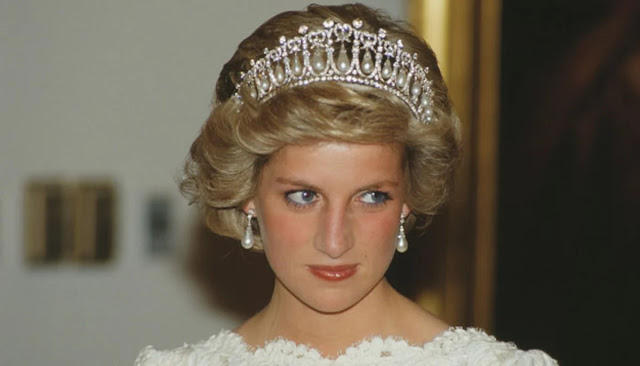
Fresh details have emerged about the events that shaped Princess Diana’s final years, shedding new light on why she stopped trusting those around her before her death in 1997. The late princess died in a shocking car crash in Paris, and a new investigation claims that betrayal played a central role in the turmoil leading up to that day.
Investigative journalist Andy Webb has spent nearly two decades uncovering the full extent of the deception used by BBC reporter Martin Bashir to secure Diana’s Panorama interview. In his new book, Dianarama: Deception, Entrapment, Cover-Up — The Betrayal of Princess Diana, Webb sets out what he says were the calculated lies that misled Diana and her brother Charles Spencer.
According to Webb, Bashir forged bank statements to suggest that Patrick Jephson, Diana’s former private secretary, and senior members of the Prince of Wales’s staff had been paid to spy on her. He showed the fake documents to Spencer, which paved the way for an introduction to Diana.
Jephson told People that Diana was in a state of “justified anxiety” at the time. He said it was not paranoia when she had been given reasons to believe people were working against her. Rosa Monckton, a close friend of Diana’s, added that the princess had been emotionally fragile, which made her more vulnerable to manipulation.
Webb says the situation escalated when Bashir presented forged papers implying that the children’s nanny, Tiggy Legge-Bourke, had undergone an abortion allegedly paid for by Charles, suggesting an affair between the two. For Diana, already devastated by her husband’s relationship with Camilla, this was a breaking point.
She agreed to the Panorama interview, believing Bashir was credible. Webb writes that Bashir and a small BBC team entered the palace disguised as sound system technicians and spent around 90 minutes preparing with Diana in the kitchen before filming began.
The broadcast shocked the royal family. Diana spoke openly about her marriage, her struggles with bulimia and her relationship with James Hewitt. Webb recalled how composed she appeared throughout, saying she showed no sign of being unsettled during the recording.
But the consequences were severe. Webb argues that Bashir’s lies destabilised her life and contributed to the chaos that followed. He believes that if Diana had been warned about the deception earlier, her life might have taken a different course. He says she could well have been alive today, enjoying life as a grandmother to five grandchildren.
The fallout from the interview was immediate. Queen Elizabeth instructed Diana and Charles to divorce, and Diana began to pull away from royal structures and official protection. Distrusting palace security, she relied instead on the support of Dodi Fayed. Both died in August 1997 when their car crashed in Paris during a pursuit by photographers, with the driver later found to have been over the legal alcohol limit.