Late monarch offered little enthusiasm for rule change giving princesses equal claim
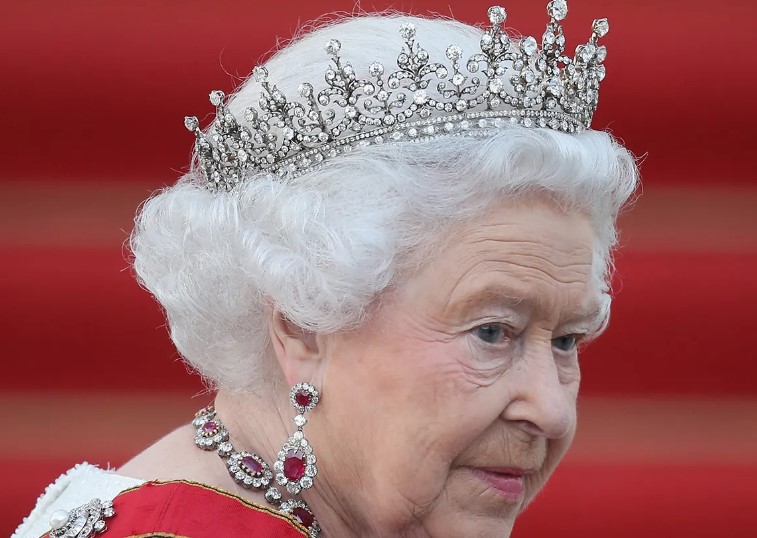
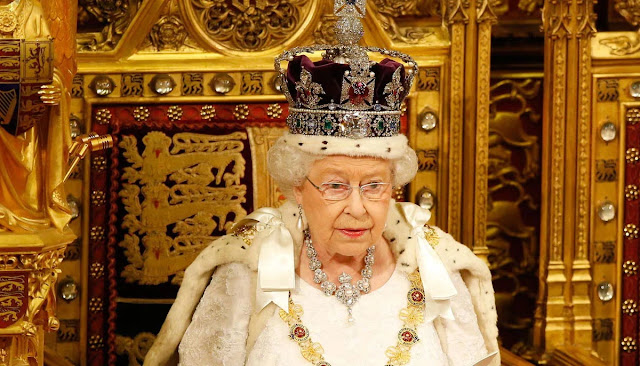
Queen Elizabeth II was not especially eager to support a landmark reform that gave princesses the same right as princes to inherit the throne.
According to Power and the Palace, a new book by royal correspondent Valentine Low, the Queen showed little enthusiasm for the 2013 rule change introduced under then–Prime Minister David Cameron. The reform ended centuries of male-preference primogeniture, which had allowed younger sons to overtake their older sisters in the line of succession.
Cameron was determined to move quickly, hoping the law would be in place before the birth of William and Catherine’s first child, later revealed to be Prince George. He raised the issue during a Commonwealth summit in Perth in 2011, telling then–Australian Prime Minister Julia Gillard: “William and Kate are getting married, there’s going to be kids, shall we sort this out?”
Buckingham Palace did not oppose the change but made clear the matter was one for government. A palace insider explained: “The signals were that if it was the wish of the prime minister of the day, and the realms could be sorted out, we would not stand in the way.” The only condition was securing agreement from the other 15 Commonwealth realms where the monarch serves as head of state.
Though the law was passed, sources say the Queen herself showed no real excitement. “I didn’t get the sense there was any great enthusiasm from the palace and the Queen herself,” one insider told GB News.
The shift proved pivotal for the next generation. It meant Princess Charlotte, born in 2015, would keep her place in the line of succession behind her older brother George and ahead of her younger brother Louis — a position she still holds today.